
Residential battery systems, also known as home energy storage, offer homeowners the ability to store excess electricity generated from renewable sources like solar panels. These systems allow households to store energy during periods of low demand or when renewable energy production exceeds immediate consumption. By storing this energy, homeowners can utilize it during times of high demand or when the grid is unavailable, enhancing energy self-sufficiency and reducing reliance on the electrical grid. Residential battery systems provide backup power during outages, ensuring essential appliances remain operational.
Additionally, they can optimize energy usage by allowing homeowners to draw from stored energy during peak electricity rates, resulting in potential cost savings. Overall, residential battery systems provide increased control, resilience, and efficiency in residential energy management.
Save money by maximising the use of renewables and off-peak electricity, while cutting your carbon footprint. Read more here.
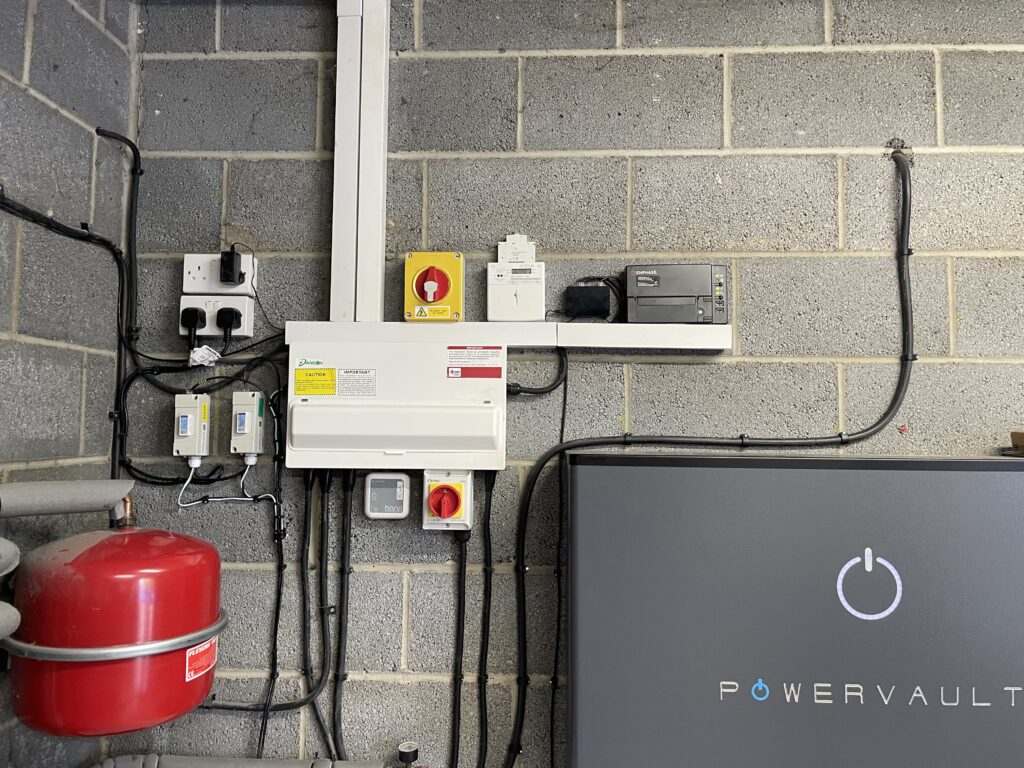
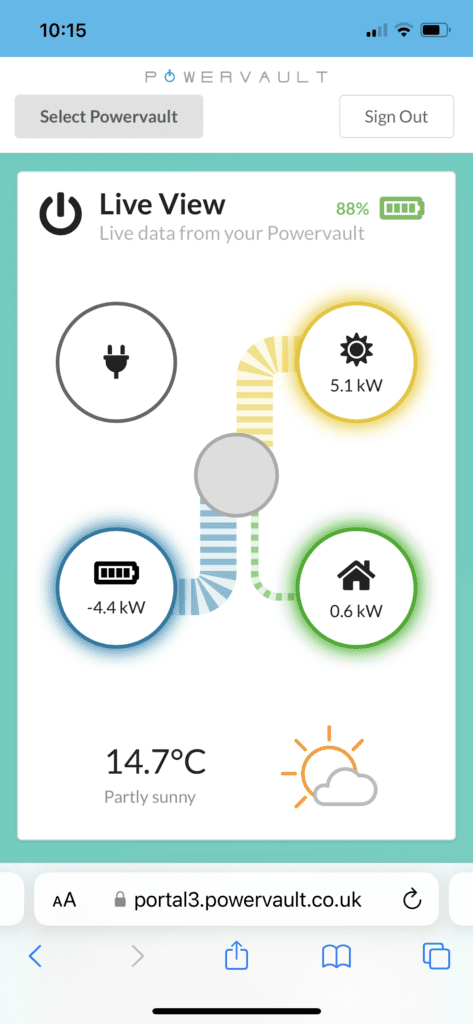
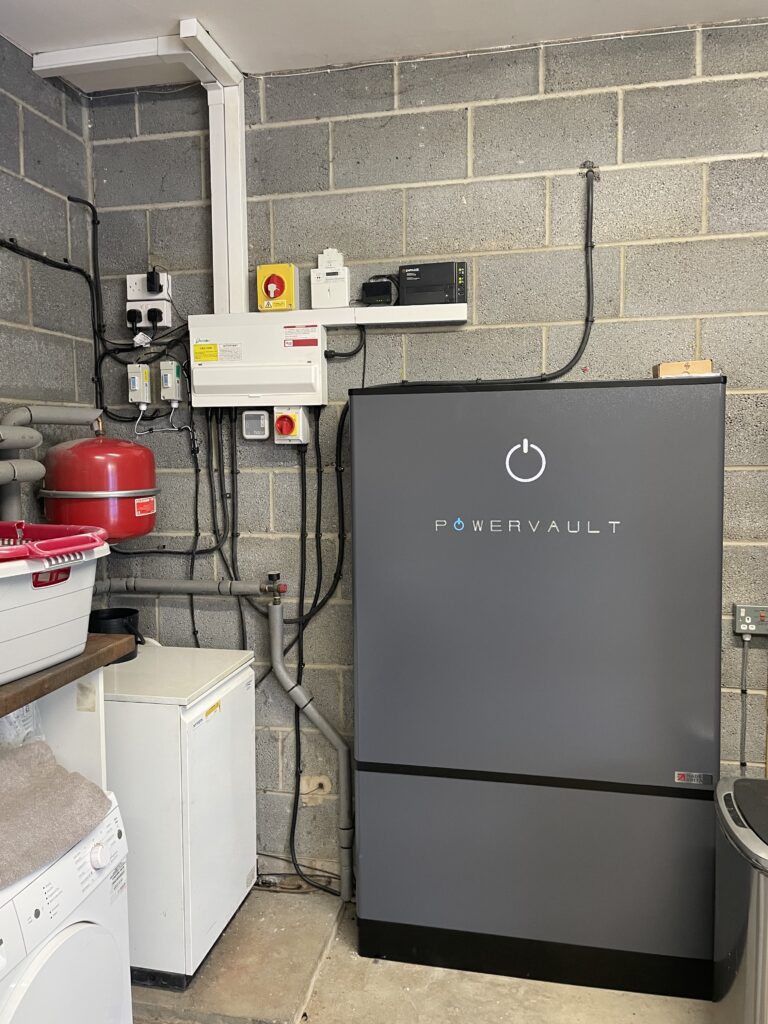
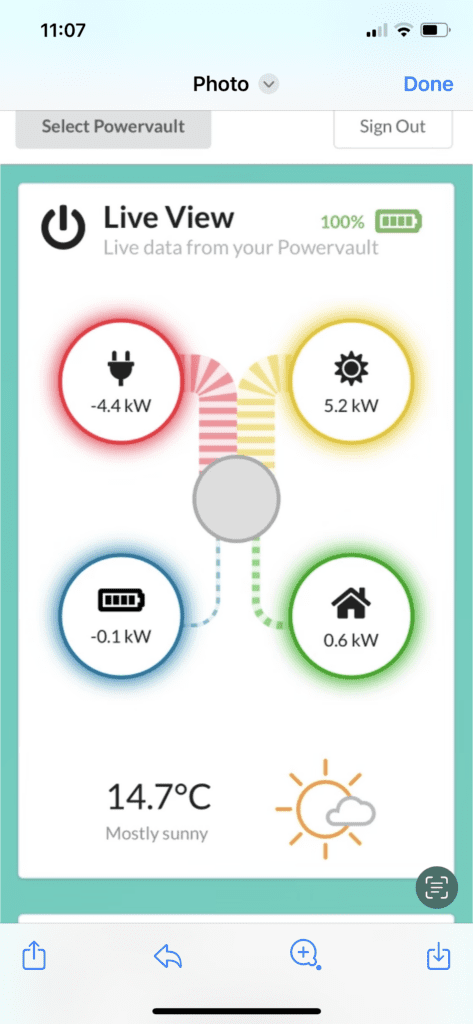
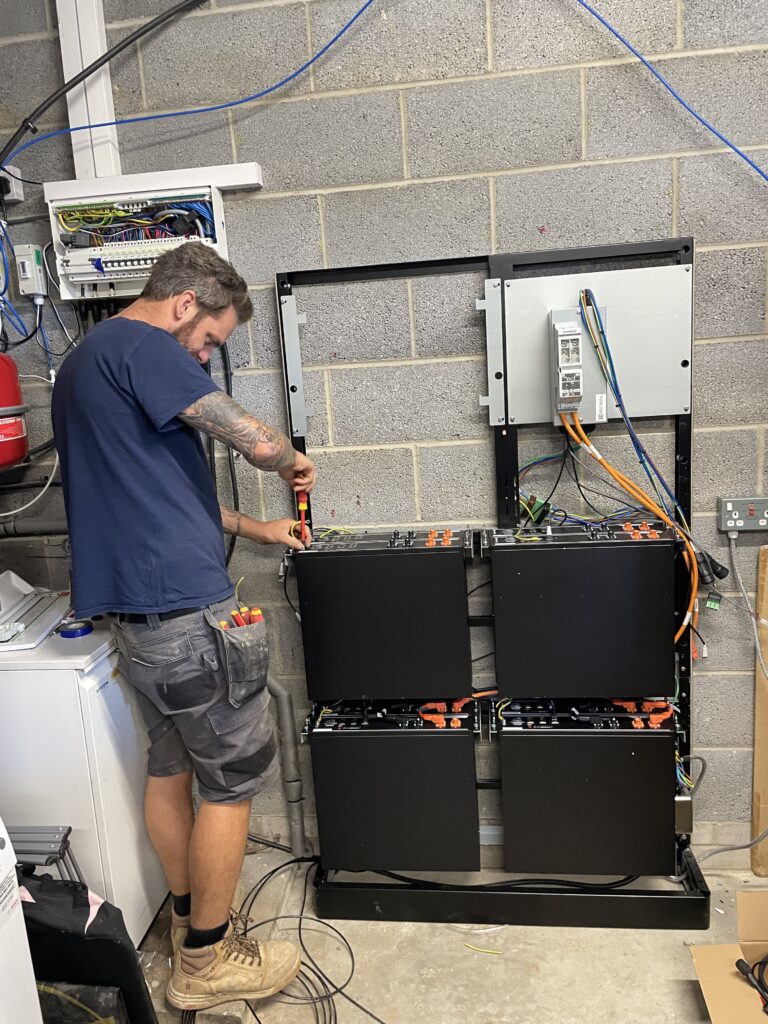
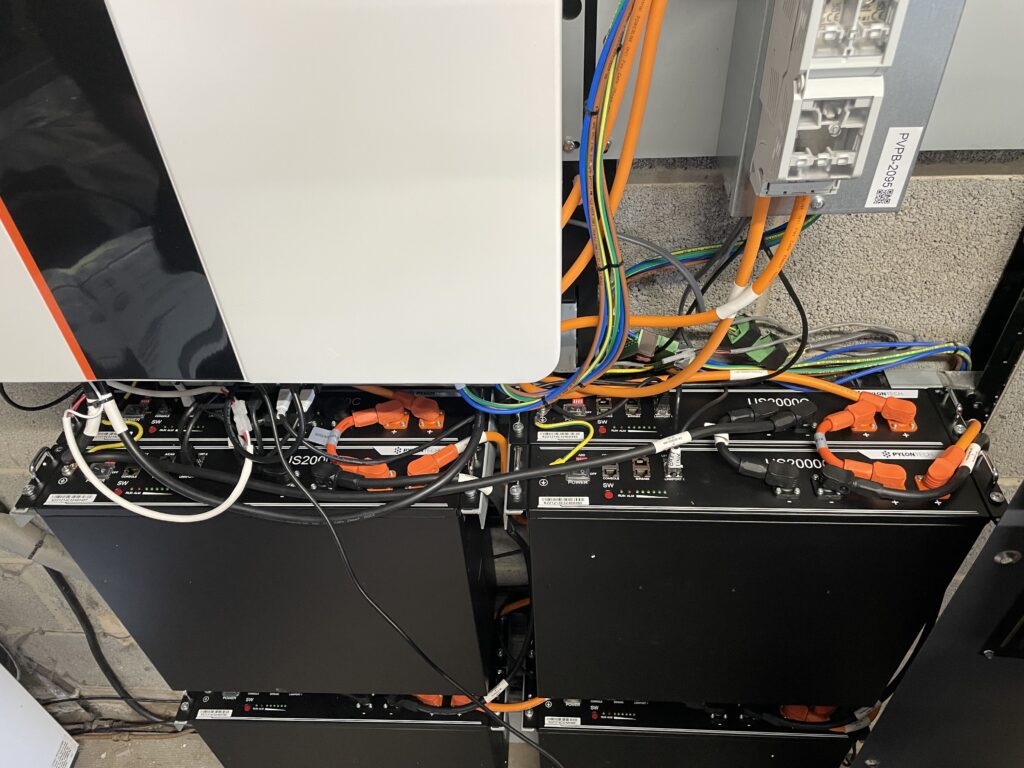
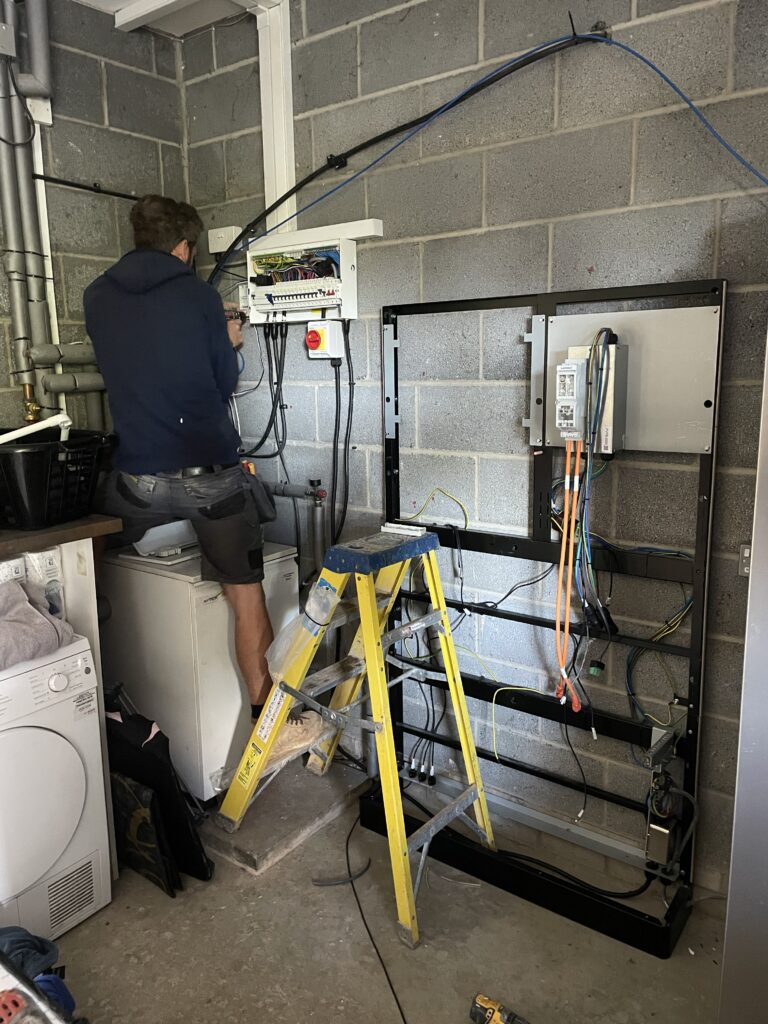
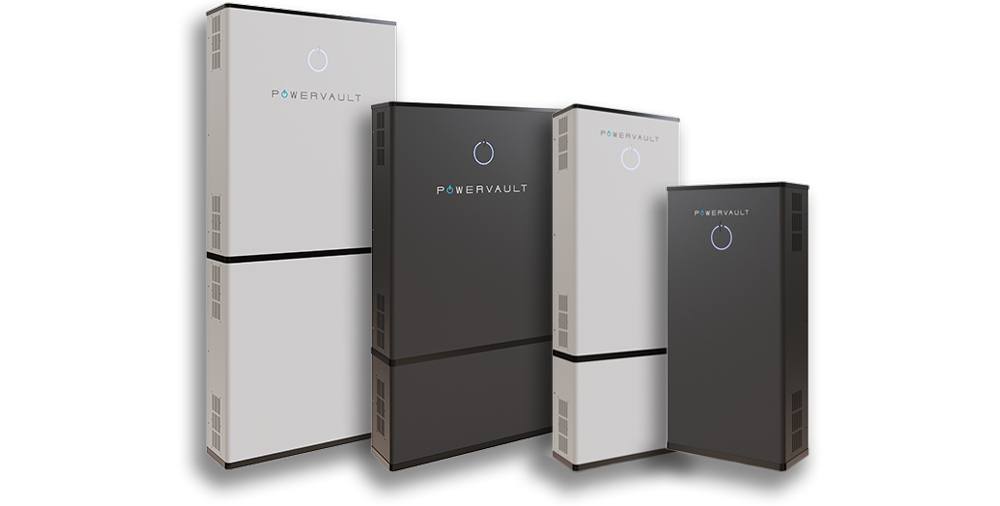
Please browse our FAQs about Battery Systems below … if you have any other questions or queries then please get in touch.
A residential battery system works by storing excess electricity generated by renewable sources or during periods of low demand. The battery system stores this energy for later use, such as during peak electricity demand or in the event of a power outage. When needed, the stored energy is converted back into usable electricity and powers the home or specific appliances. The system is typically integrated with the home’s electrical system and can be charged either from renewable sources or the grid, depending on the configuration.
Installing a residential battery system offers several benefits. Firstly, it provides backup power during outages, ensuring essential appliances and systems continue to function. This can be particularly valuable in areas prone to power disruptions or natural disasters. Secondly, a battery system allows homeowners to maximize their self-consumption of renewable energy, reducing reliance on the grid and potentially lowering electricity bills. Additionally, by storing excess energy during low-demand periods, homeowners can avoid purchasing electricity at peak rates, resulting in potential cost savings. Lastly, residential battery systems contribute to a more sustainable and resilient energy system by supporting the integration of renewable energy sources.
The cost of installing battery storage in the UK can vary depending on factors such as the capacity and type of battery, installation complexity, and any additional requirements specific to your property, but generally ranges from £2,000 to £10,000 or more.
Yes, residential battery systems can be compatible with various types of renewable energy sources. They can be integrated with solar panels, wind turbines, or other renewable energy systems. The excess electricity generated by these sources can be stored in the battery system for later use, providing a reliable and continuous supply of renewable energy. It’s important to ensure that the battery system’s capacity and specifications align with the energy generation capacity of the chosen renewable source to ensure optimal performance and compatibility. Consulting with a qualified installer or renewable energy professional can help determine the best configuration for your specific needs.
The payback period for battery storage systems can vary depending on factors such as the cost of installation, the size and capacity of the battery, electricity usage patterns, and any available incentives or programs. On average, the payback period for battery storage systems in the UK ranges from 5 to 10 years. By storing excess electricity generated from renewable sources or during off-peak hours, battery storage systems can help reduce reliance on grid electricity and potentially save on energy costs over time. It’s important to note that the actual payback period will depend on factors specific to your energy usage and the characteristics of the battery system. Conducting a detailed analysis, considering both the costs and potential savings, is recommended to determine the precise payback period for a battery storage system in your situation.

They were professional, knowledgeable, and efficient throughout the entire process, providing me with all the information I needed and answering all my questions.


