
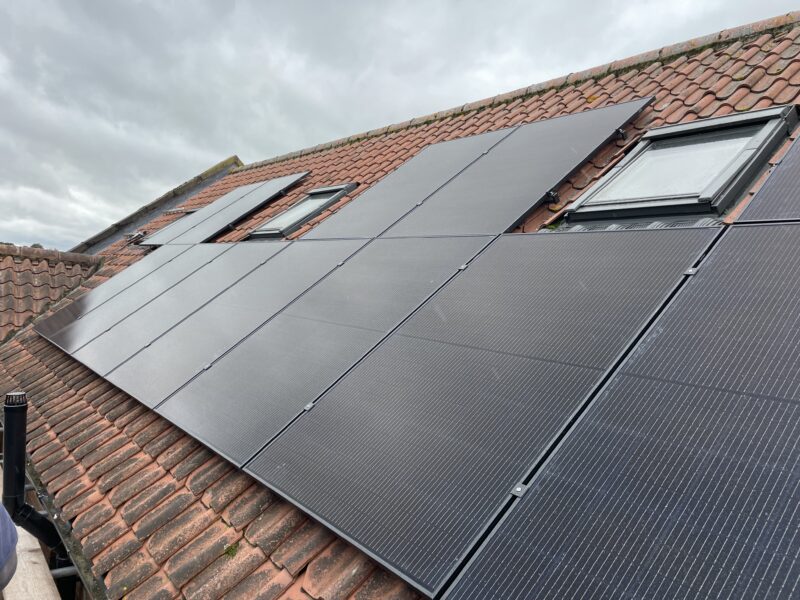
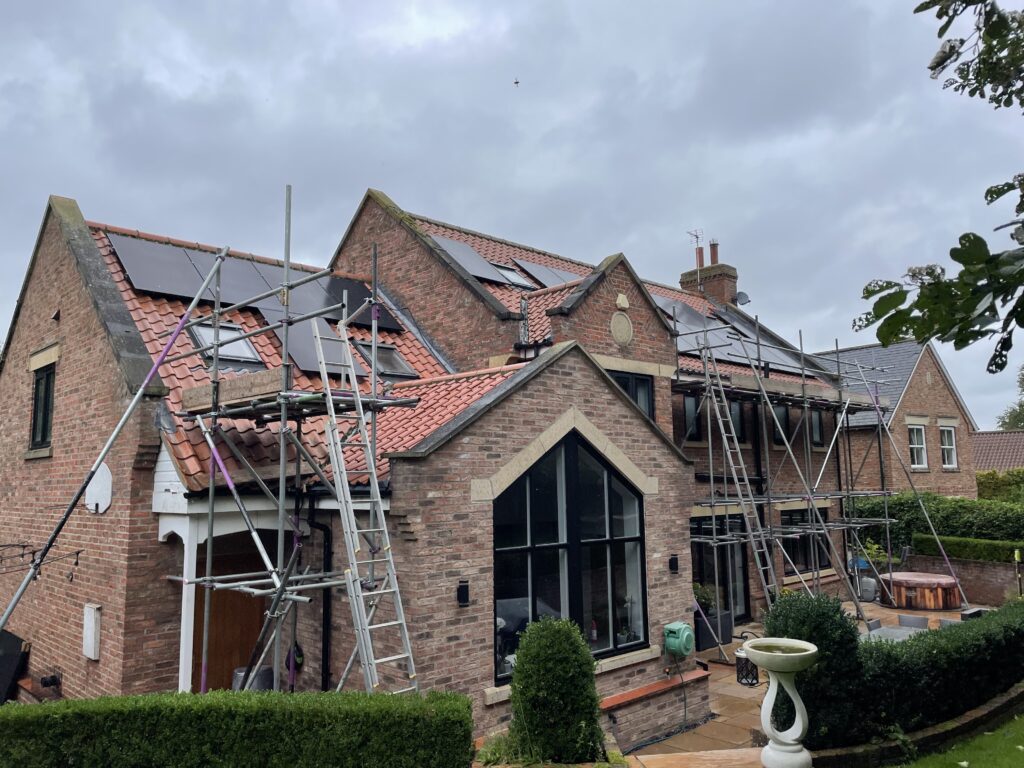
Solar panels offer a multitude of benefits for both individuals and the environment. Firstly, they provide clean and renewable energy by harnessing the power of the sun, reducing reliance on fossil fuels and decreasing carbon emissions. This contributes to combating climate change and improving air quality.
Secondly, solar panels can significantly reduce electricity bills as they generate electricity that can be used to power homes or businesses. Additionally, excess energy can be sold back to the grid, potentially earning financial incentives.
Furthermore, solar panels require minimal maintenance, have a long lifespan, and provide energy independence, offering peace of mind and long-term cost savings. By embracing solar energy, individuals can make a positive impact on the environment while enjoying economic benefits.
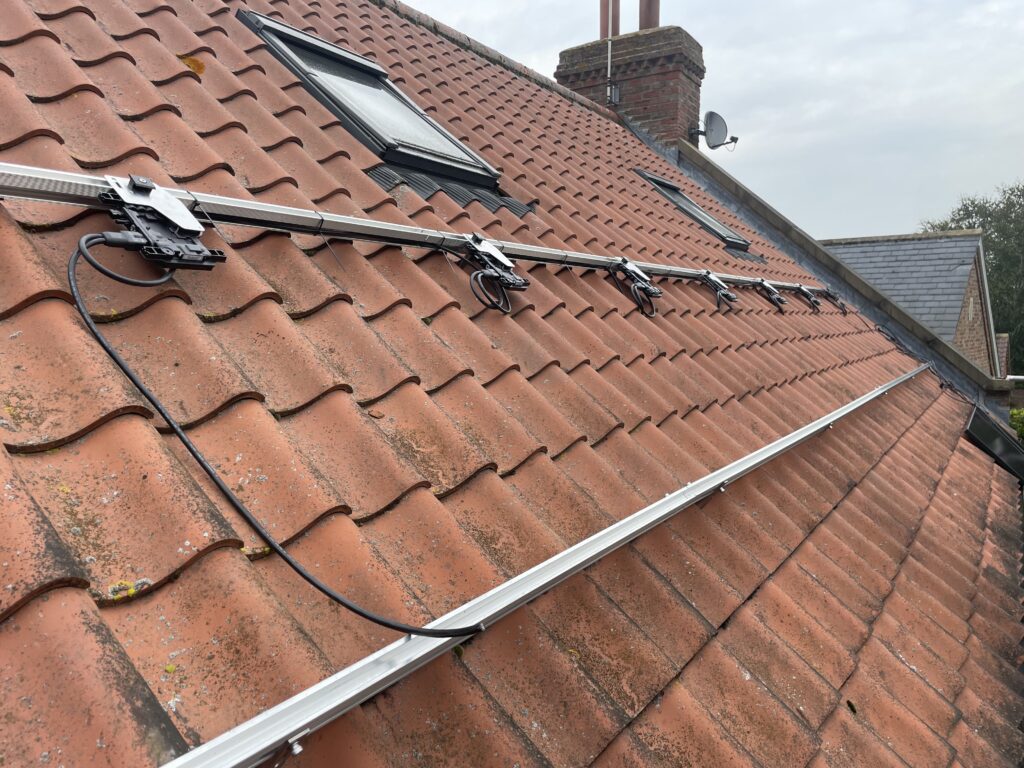
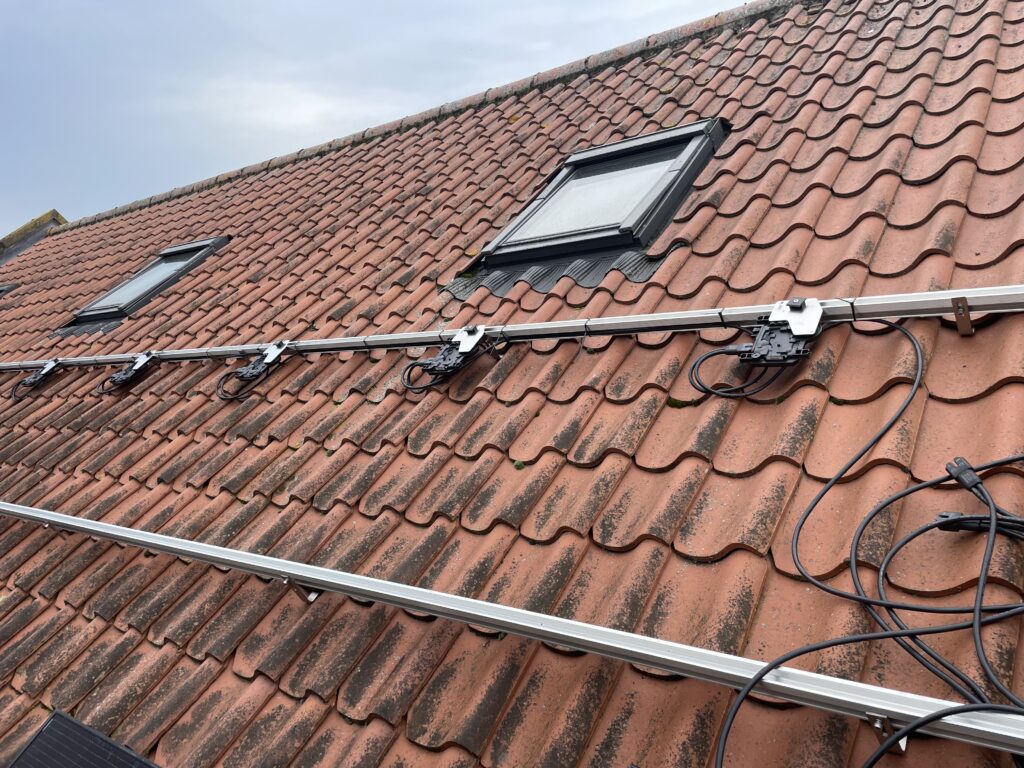
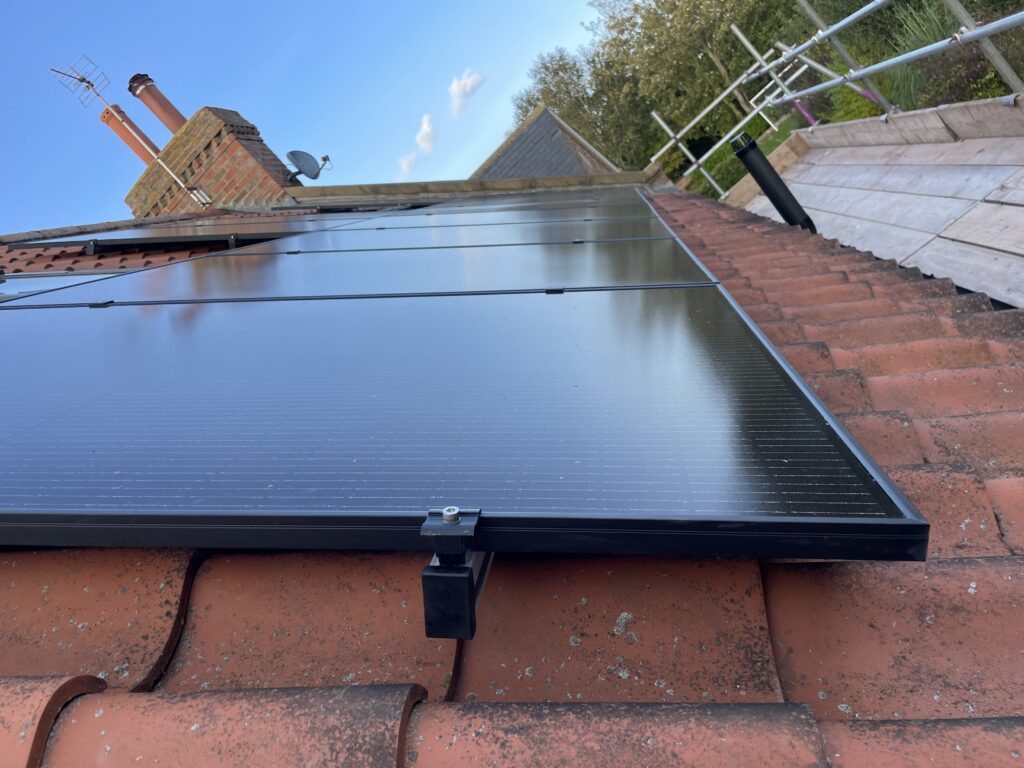
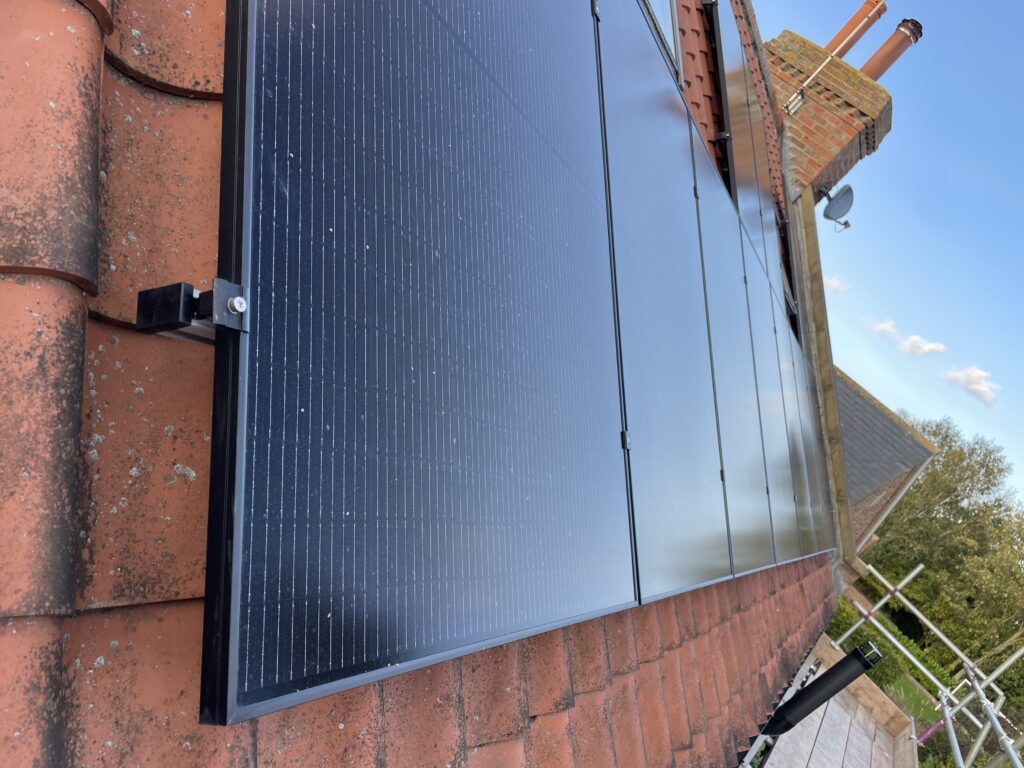
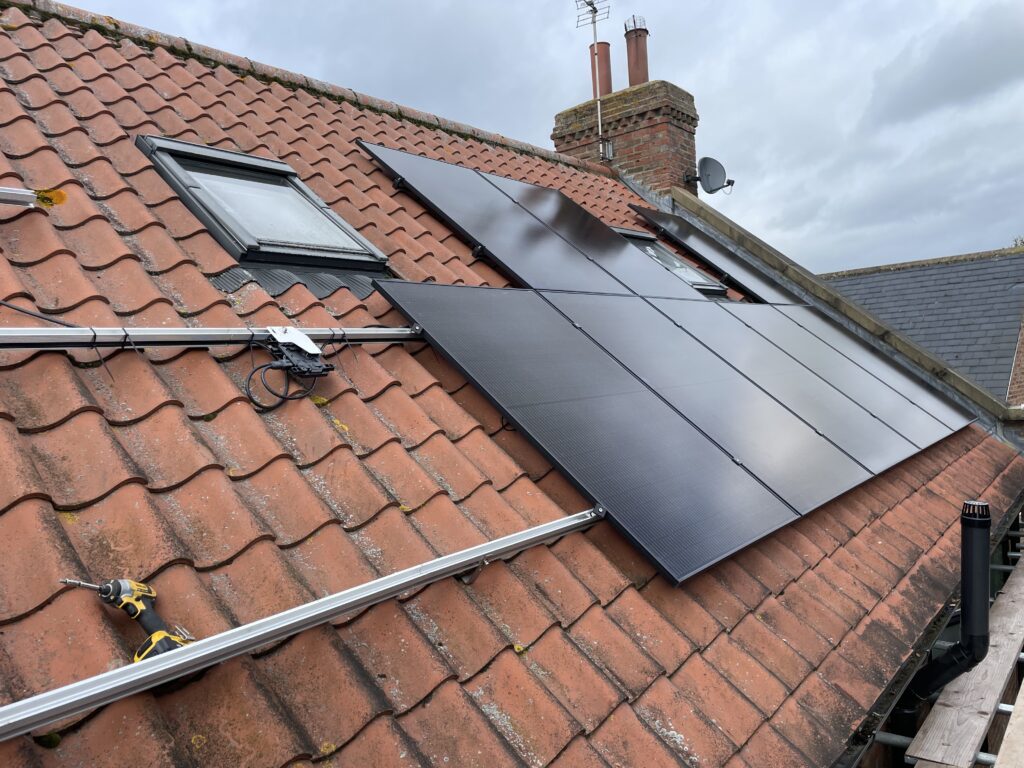
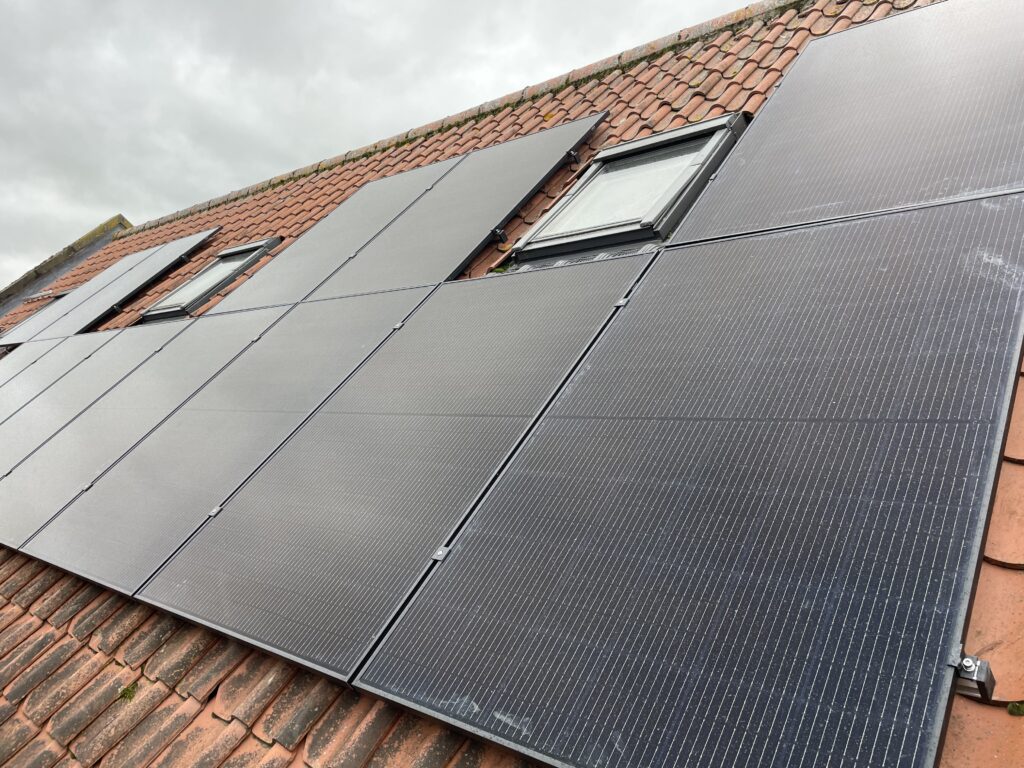
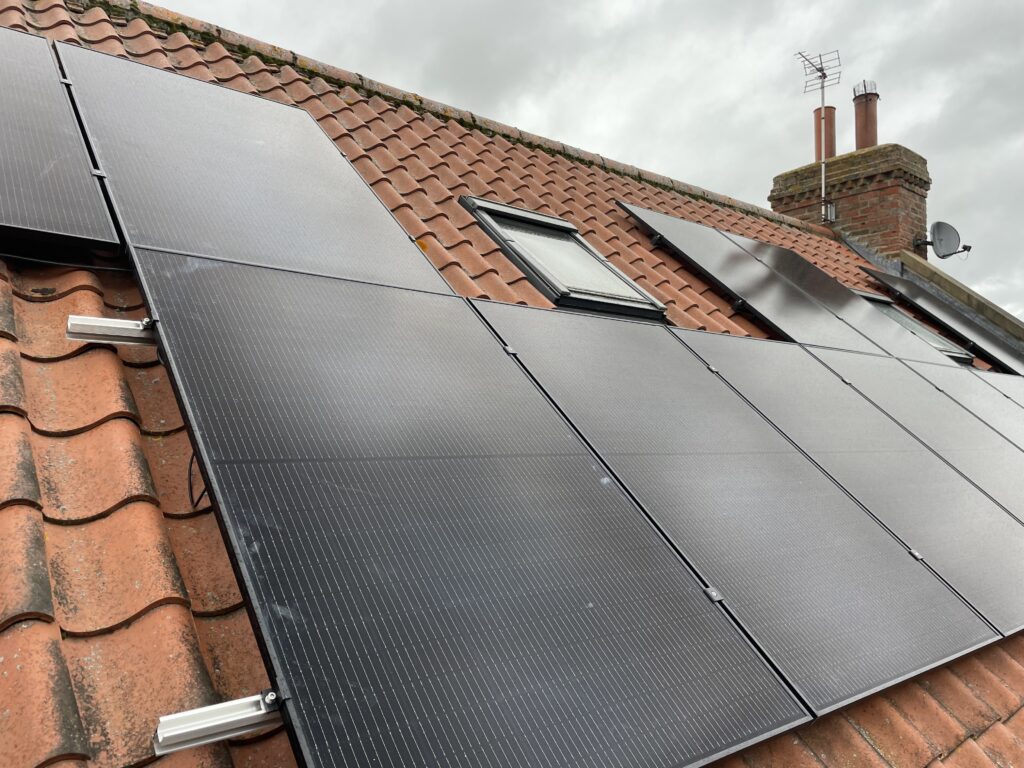
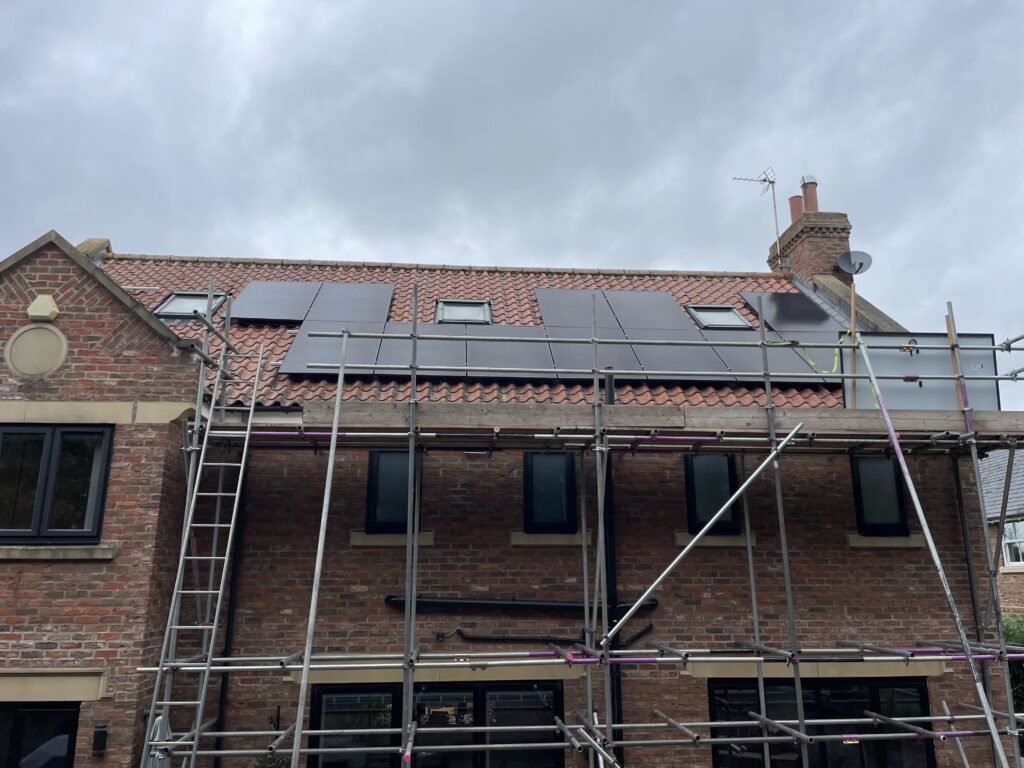
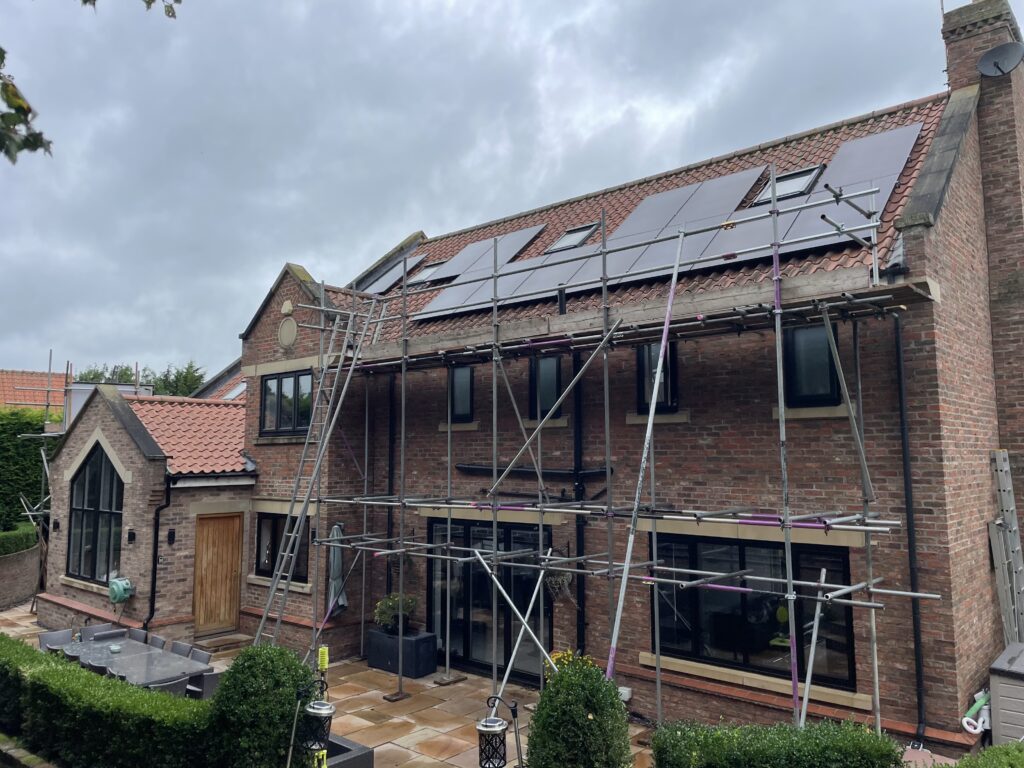
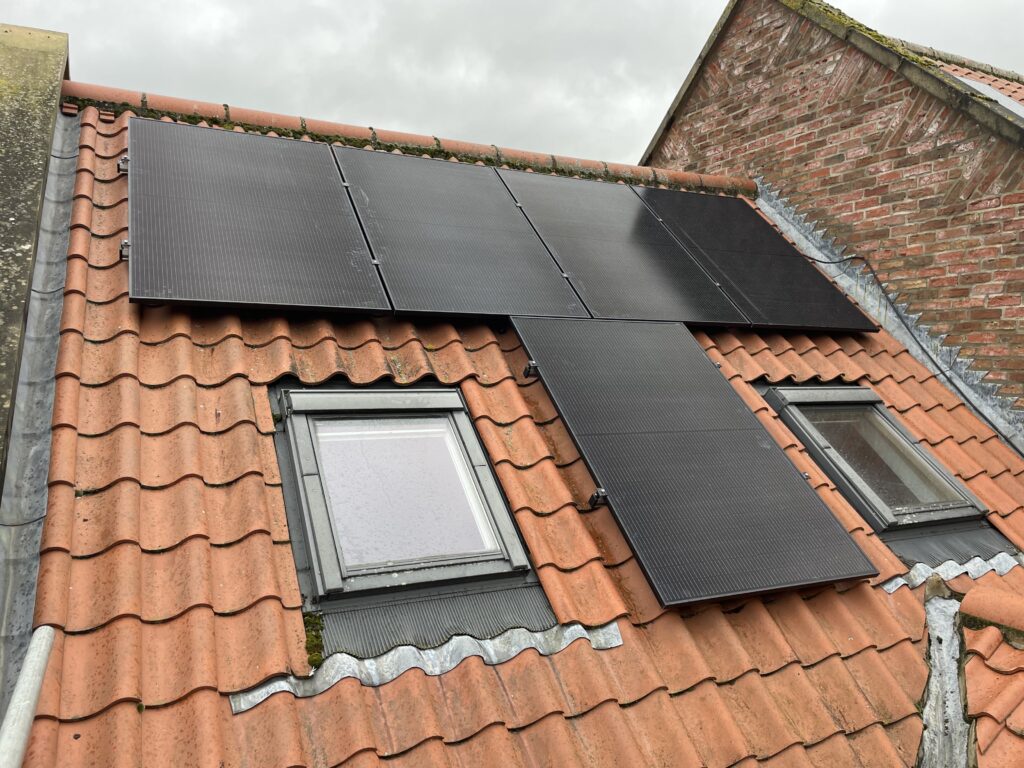
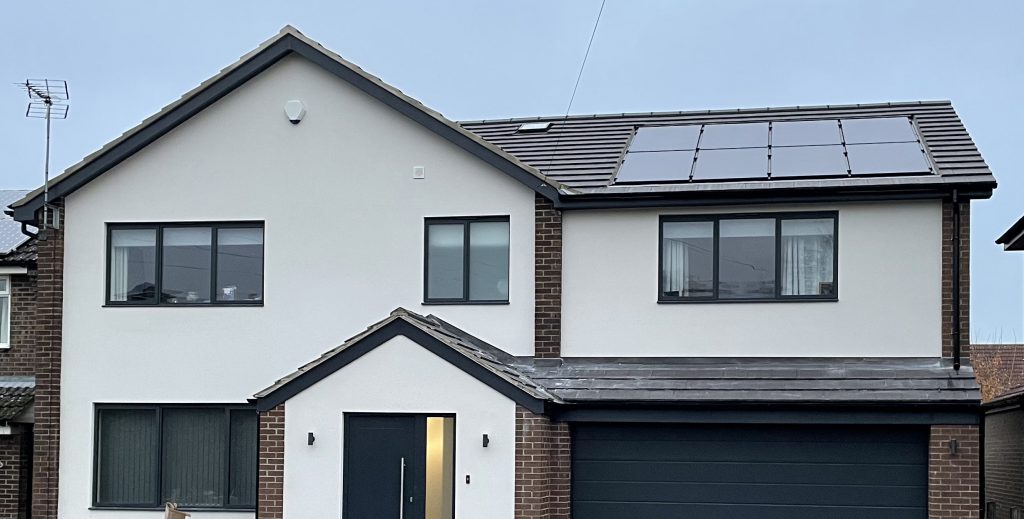
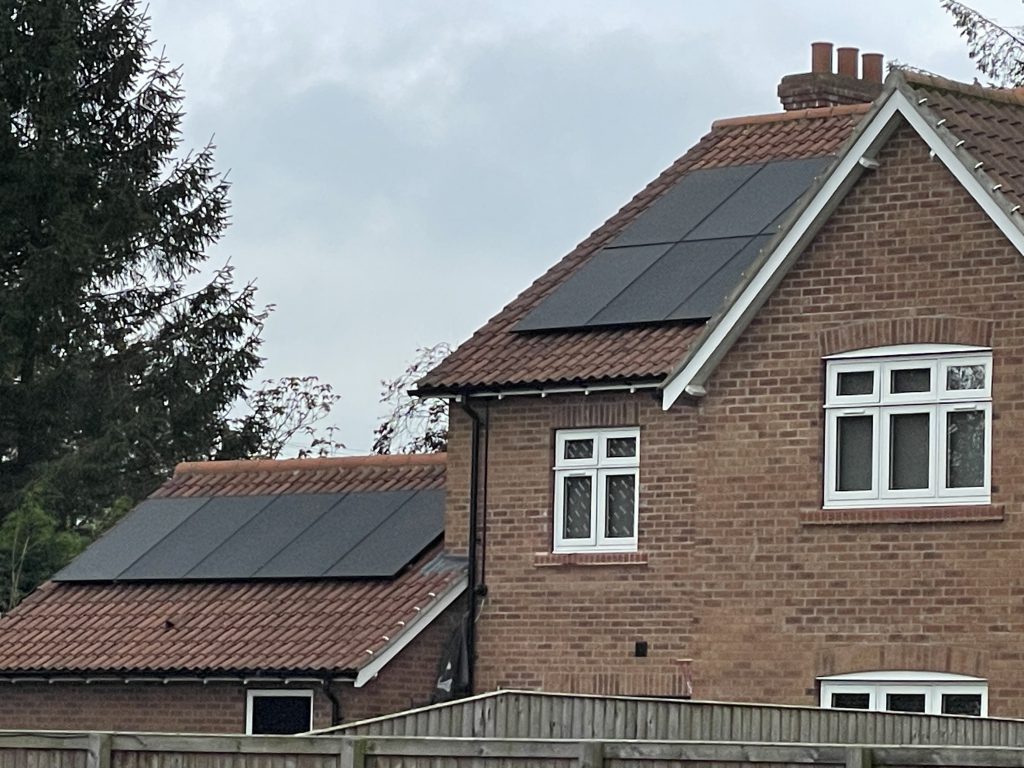
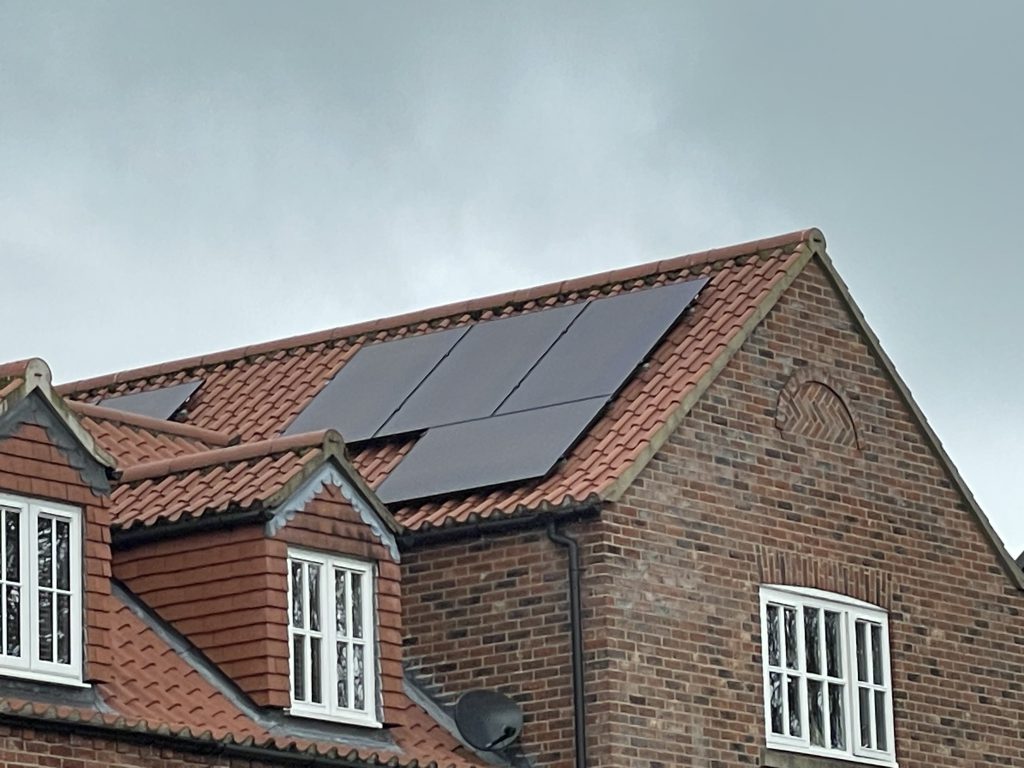
Please browse our FAQs about Solar Panels below … if you have any other questions or queries then please get in touch.
Solar panels work by harnessing the energy from sunlight and converting it into electricity through the photovoltaic (PV) effect. The panels are made up of solar cells that contain semiconductor materials, typically silicon. When sunlight hits the solar cells, the photons in the sunlight knock electrons loose from their atoms, creating an electric current. This direct current (DC) is then converted into usable alternating current (AC) electricity through an inverter, which can power homes, businesses, or be fed back into the grid.
The cost of solar panels can vary depending on various factors such as the size of the system, the brand of the panels, and the installation costs. On average, the cost of a residential solar panel system can range from £10,000 to £30,000 or more. However, the cost has been decreasing in recent years due to technological advancements and increased demand. Additionally, there are often government incentives and tax credits available to help offset the cost of installation.
Installing solar panels can bring several financial benefits. Firstly, by generating your own electricity, you can reduce your reliance on traditional utility companies, leading to significant savings on your electricity bills over time. Additionally, some regions offer incentives such as government rebates, tax credits, or net metering programs, allowing you to earn credits or monetary compensation for the excess energy your solar panels produce. Furthermore, solar panels can increase the value of your property, making it more attractive to potential buyers if you decide to sell your home in the future.
The lifespan of solar panels can vary depending on the quality of the panels and the environmental conditions in which they operate. However, on average, most solar panels have a lifespan of 25-30 years or more. In addition, many manufacturers offer warranties for their solar panels that guarantee their performance for a certain number of years. Regular maintenance and cleaning can also help extend the lifespan of solar panels.
Solar panels are suitable for a wide range of locations, as long as there is access to sunlight. While regions with abundant sunlight are particularly ideal, advancements in solar technology have made it possible to generate electricity even in areas with less favorable weather conditions. Additionally, factors such as the angle and orientation of your roof, shading from nearby trees or buildings, and local regulations may affect the efficiency and viability of solar panel installations. Consulting with a solar professional can help determine the feasibility and optimal design for your specific location.
The payback period for solar panels can vary depending on factors such as the cost of installation, available incentives, energy usage, and local sunlight conditions. On average, solar panel systems in the UK have a payback period of around 8 to 12 years. However, it’s important to note that this estimate is a general guideline, and the actual payback period can be shorter or longer depending on the specific circumstances and variables involved.

They were professional, knowledgeable, and efficient throughout the entire process, providing me with all the information I needed and answering all my questions.


