
Introduction
In an era where renewable energy is becoming increasingly important, solar panels have emerged as a promising solution to meet our energy needs while reducing our carbon footprint. These remarkable devices harness the power of the sun and convert it into clean and sustainable electricity. In this blog post, we will explore the fascinating world of solar panels, discussing their benefits, functionality, and the future prospects they hold for a greener tomorrow.
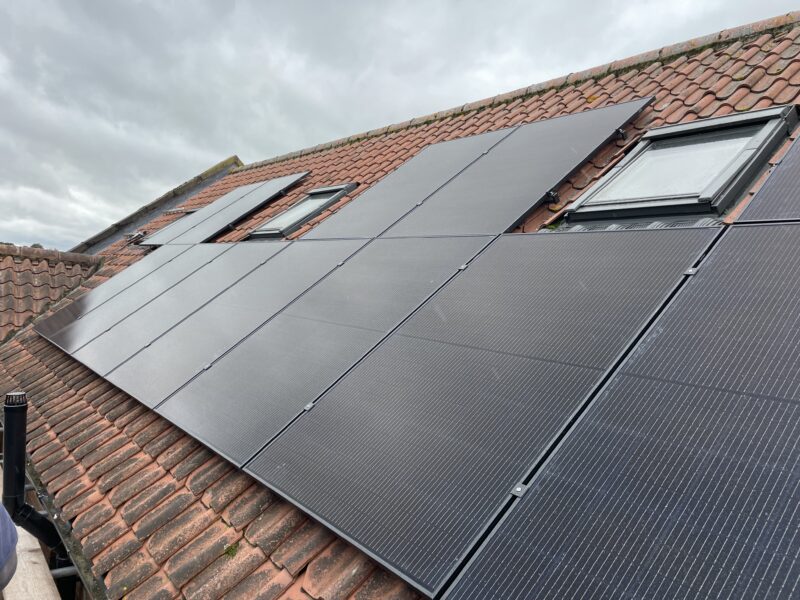
Solar panels, also known as photovoltaic (PV) panels, are devices composed of interconnected solar cells that generate electricity from sunlight. Each solar cell is typically made of semiconductor materials, such as silicon, which have the ability to convert sunlight into electricity through the photovoltaic effect. When sunlight hits the solar cells, electrons are set in motion, creating a flow of direct current (DC) electricity.
Solar panels work by harnessing the energy from sunlight and converting it into usable electricity. The process can be broken down into four key steps:
a. Absorption: Solar panels are designed to absorb sunlight, which is composed of tiny particles of energy called photons.
b. Electron Excitation: When photons from sunlight strike the solar cells, they excite the electrons in the semiconductor material, causing them to break free from their atoms.
c. Electron Flow: The freed electrons are directed through the interconnected solar cells, creating an electric current. This flow of electrons is harnessed as direct current (DC) electricity.
d. Power Conversion: To make the electricity generated by solar panels compatible with our everyday appliances and the power grid, an inverter is used to convert the DC electricity into alternating current (AC) electricity.
Solar panels offer numerous benefits that make them an attractive choice for both individuals and communities:
a. Renewable and Clean: Solar energy is a renewable resource, meaning it will never run out as long as the sun continues to shine. Moreover, solar panels produce clean energy, emitting no greenhouse gases or harmful pollutants during their operation.
b. Energy Independence: By installing solar panels, individuals and businesses can reduce their dependence on traditional energy sources and become more self-sufficient. This can lead to long-term savings on electricity bills.
c. Environmental Benefits: Solar panels play a crucial role in reducing carbon emissions and combating climate change. They help mitigate air and water pollution and conserve valuable natural resources.
d. Financial Incentives: Many governments and utilities offer financial incentives, such as tax credits, rebates, and net metering programs, to encourage the adoption of solar panels. These incentives make solar energy more affordable and accessible.
If you’re considering installing solar panels, here are a few key factors to keep in mind:
a. Location and Sun Exposure: Assess the amount of sunlight your location receives throughout the year. Ideally, solar panels should be installed in areas with maximum sun exposure to optimize energy production.
b. Roof Suitability: Evaluate the condition, orientation, and tilt of your roof to determine its suitability for solar panel installation. Flat or south-facing roofs tend to be the most favorable.
c. Energy Consumption: Assess your energy needs to determine the appropriate size and capacity of the solar panel system. Consider factors such as the number of occupants, electrical appliances, and future growth.
d. Installation Costs and Financing: Obtain multiple quotes from reputable solar installers and explore available financing options to determine the most cost-effective solution for your needs. Consider the return on investment and the potential savings over the system’s lifespan.
Solar panels continue to advance in efficiency, durability, and affordability. The ongoing research and development efforts are focused on enhancing energy conversion efficiency, exploring new materials, and streamlining manufacturing processes. Emerging technologies, such as solar roof tiles and transparent solar panels, hold the promise of seamlessly integrating solar power generation into our infrastructure and everyday life.
Conclusion
Solar panels have revolutionized the way we generate electricity by harnessing the abundant energy of the sun. With their environmental benefits, energy independence, and potential cost savings, solar panels have gained significant momentum in the renewable energy sector. As technology continues to advance, solar panels will play an increasingly vital role in shaping a sustainable and cleaner future for generations to come. So, let’s embrace this renewable energy source and pave the way for a greener and brighter world powered by the sun.

Eco House Yorkshire exceeded my expectations with their solar panel installation services. They were professional, knowledgeable, and efficient throughout the entire process, providing me with all the information I needed and answering all my questions. The installation was seamless, and they even provided me with a comprehensive guide on how to operate the system. Since the installation, my energy bills have significantly decreased, and I feel good about doing my part to reduce my carbon footprint. I highly recommend Eco House Yorkshire for their exceptional customer service and quality work.


